 University of North Texas


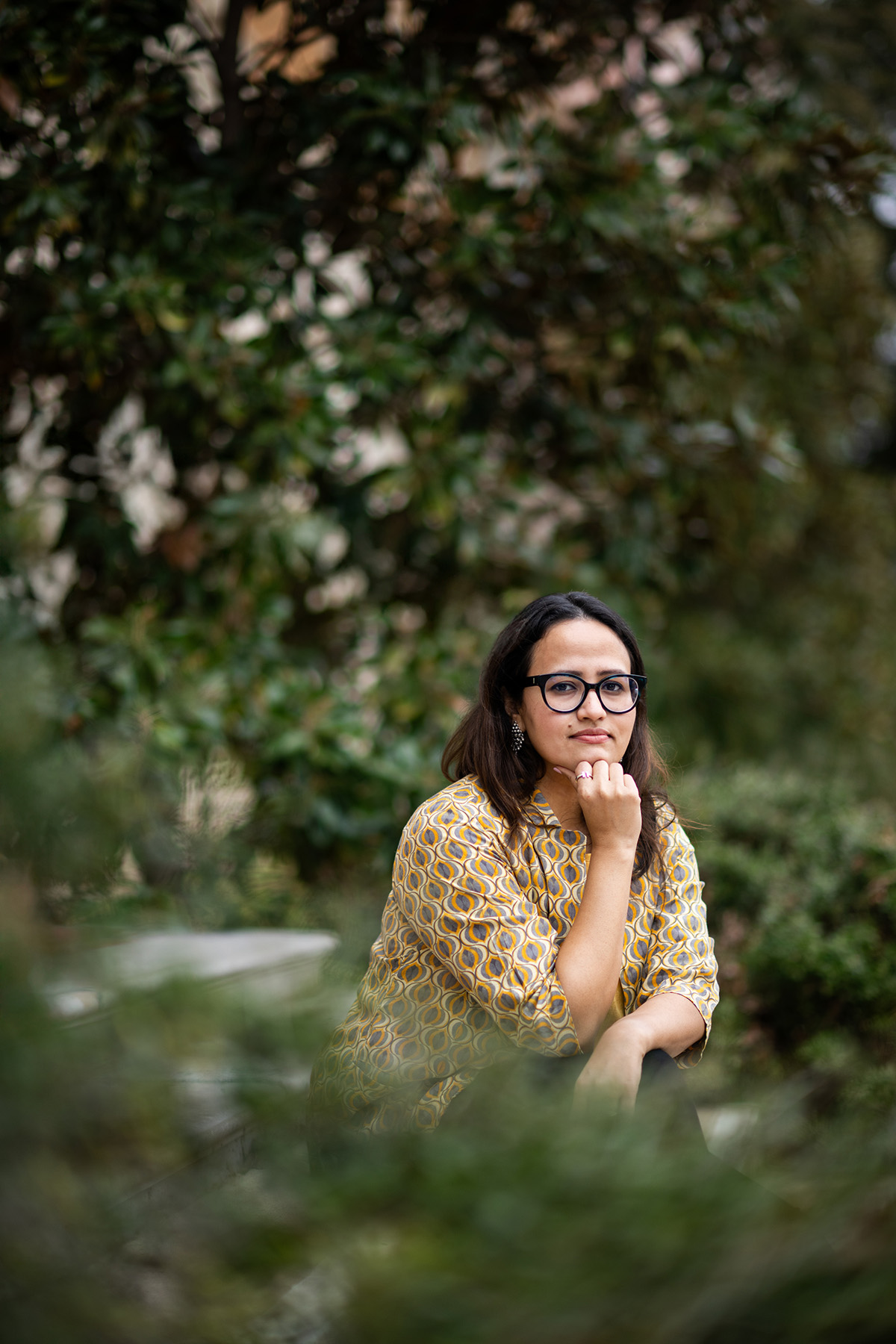
DENTON (UNT), Texas — Long before celebrity tabloids, social media drama and reality
television fueled public fascination with scandal, gossip played a powerful role in
shaping reputation and social standing in Victorian Britain.
That’s what Arunima Datta, associate professor in the University of North Texas Department of History, discovered while researching traveling Indian caregivers known as ayahs, who worked for wealthy British families during the 19th century.
As Datta reviewed family diaries, legal records and personal writings, she found that
some ayahs were called to testify in divorce disputes and marital scandals involving
elite households.
“Some of these ayahs were being summoned by lawyers and magistrates as witnesses to
marital disputes and accusations brought by members of the families they served,”
Datta said.
Datta’s current research explores how gossip and scandal functioned as more than entertainment.
In some cases, rumors could damage careers, influence political standing and shape
the public image of powerful families.
“Gossip and scandal also became a method of maintaining one’s agency,” she said. “Any
high-ranking administrator or politician who went through a divorce, especially a
scandalous one, could be sidelined. The Crown did not want the character of individuals
at the top in question.”
The findings are part of Datta’s ongoing work in social history, a field of study
that focuses on the experiences of everyday people rather than political leaders or
military events.
“We know quite a bit about the lives of Queen Victoria and Winston Churchill, but
what was it like to live as a nanny, a laundry maid or a telephone worker?” she said.
“The everyday is eventful in its own right.”
Divorce, scandal and social standing
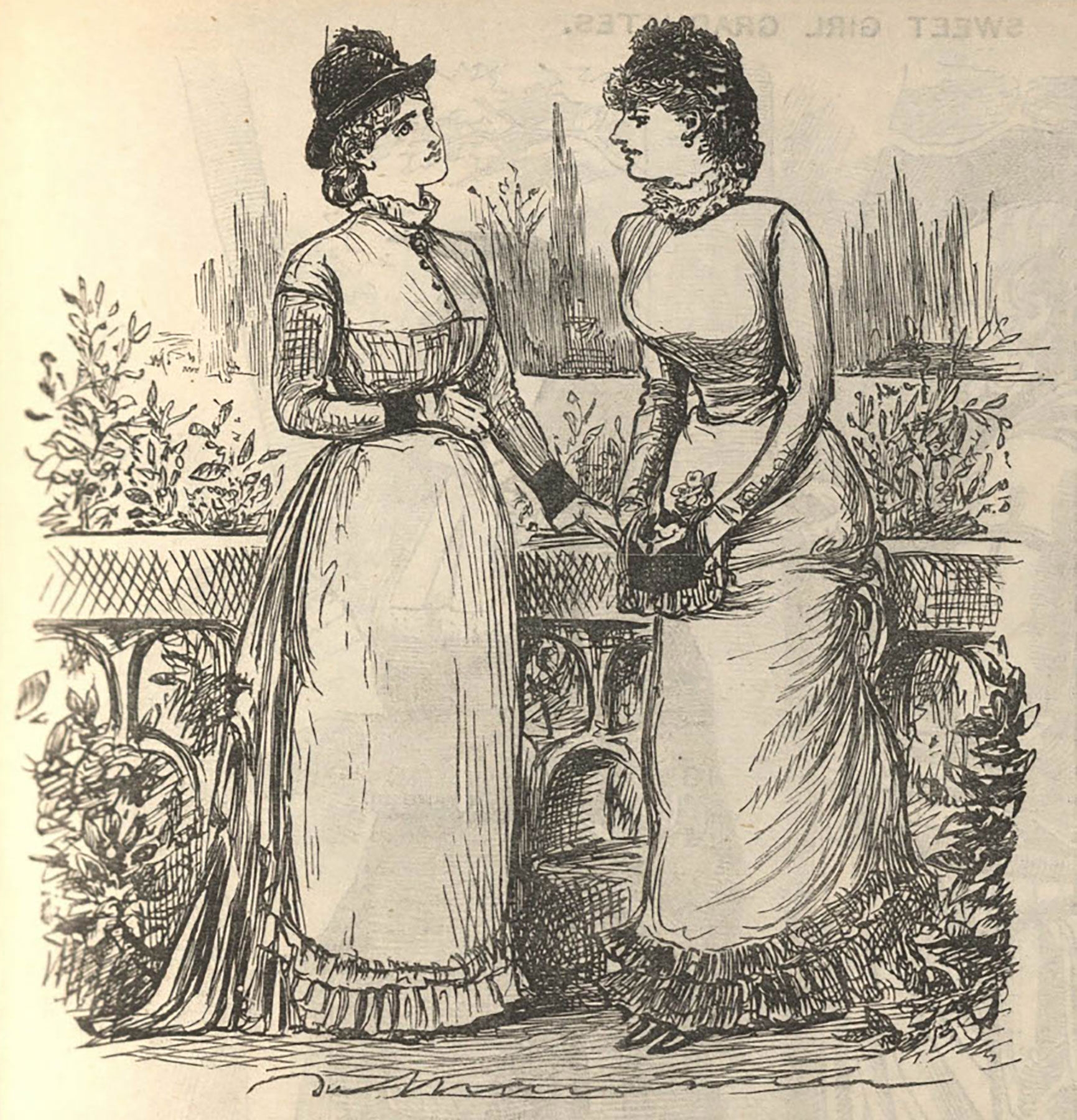
For centuries, divorce in Britain was handled by religious courts and available only
to men. That changed in 1857 with the Matrimonial Causes Act, which made divorce a
civil matter and gave women the ability to file — but not without challenges. Eventually
this Act also allowed British couples to seek divorce in British colonies, including
India during British rule.
But while men seeking divorce had only to prove adultery, women had to prove adultery
and a second offense, such as cruelty, desertion, bigamy or incest. To make their
cases, some women relied on gossip, scandal and testimony from people within the household.
Divorce proceedings often depended on witnesses, including servants, caregivers and
others in a family’s social circle. When called to testify, those witnesses could
validate accusations and rumors that had spread about a particular husband.
Bigamy was a common offense leading to divorce in Britain, but Datta’s research shows
that some women used the law strategically. During wartime, men sometimes disappeared
for months or years. A woman who remarried after her husband had been absent for seven
years could make a case for desertion or presumed widowhood. If she was successful,
her new marriage could be legally recognized while the first was dissolved.
Questions surrounding marriage and divorce became even more complicated after India
gained independence from Britain in 1947. Marriages and divorces granted in India
before independence were not always consistently recognized, leading some couples
to face allegations of bigamy and causing some children from second marriages to be
considered illegitimate.
“Before the laws were clarified, seeking a valid marriage or divorce was almost as
complex as the immigration process, but in reverse,” Datta said.
Studying emotions and everyday life
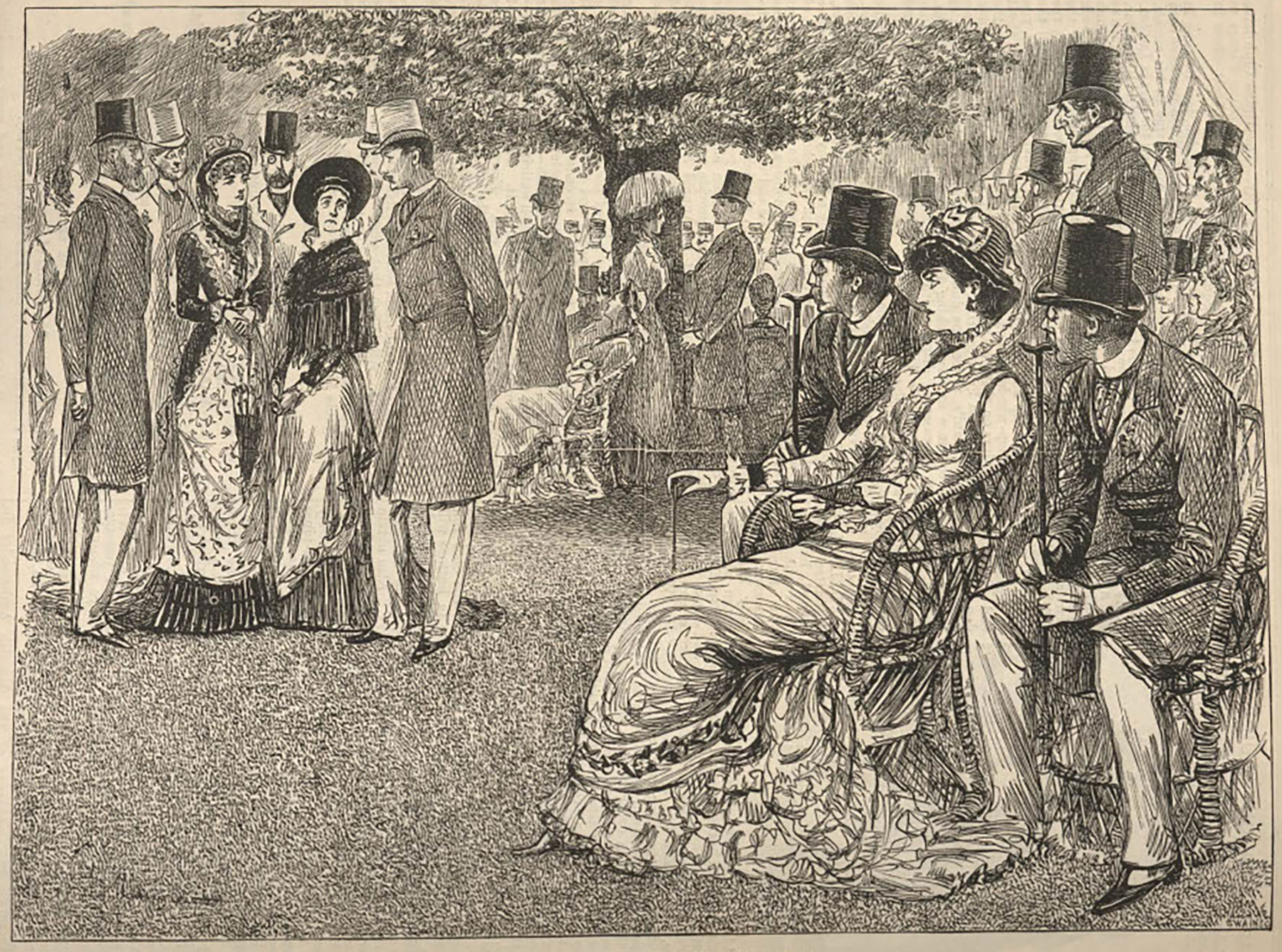
Datta’s research also explores how people in 19th century Britain expressed emotions
in a society that valued restraint and stoicism.
Handwritten letters and personal correspondence were often viewed as private spaces
for emotional expression. Men, who were typically discouraged from openly discussing
feelings in public, used letters to express sadness, fear and anxieties about marriage,
parenting and separation from home.
“In these letters, emotion is a lens through which we can see people’s everyday lives.
It provides a perspective that we do not otherwise find in standard archives,” Datta
said.
In the age of the British Empire, gossip and reputation extended beyond romantic relationships.
Datta said rumors about a person’s temperament or behavior could influence whether
someone remained part of a neighborhood or social community.
Why social history still matters
Although life has changed dramatically since the 19th and early 20th centuries, Datta
said those themes continue to resonate in her classroom today, where students examine
how reputation, rumor and personal narratives shape everyday life.
Her courses in the social history of Britain and food, migration and emotions use
project-based learning to help students connect historical records with lived experience.
“When you’re a young person and life is hard, it’s important to remember that people
throughout history went through the same struggles,” Datta said. “Through everyday
histories of everyday people, students can can see their role and agency — that they
are an actor in history that’s being made right now.”