 University of North Texas

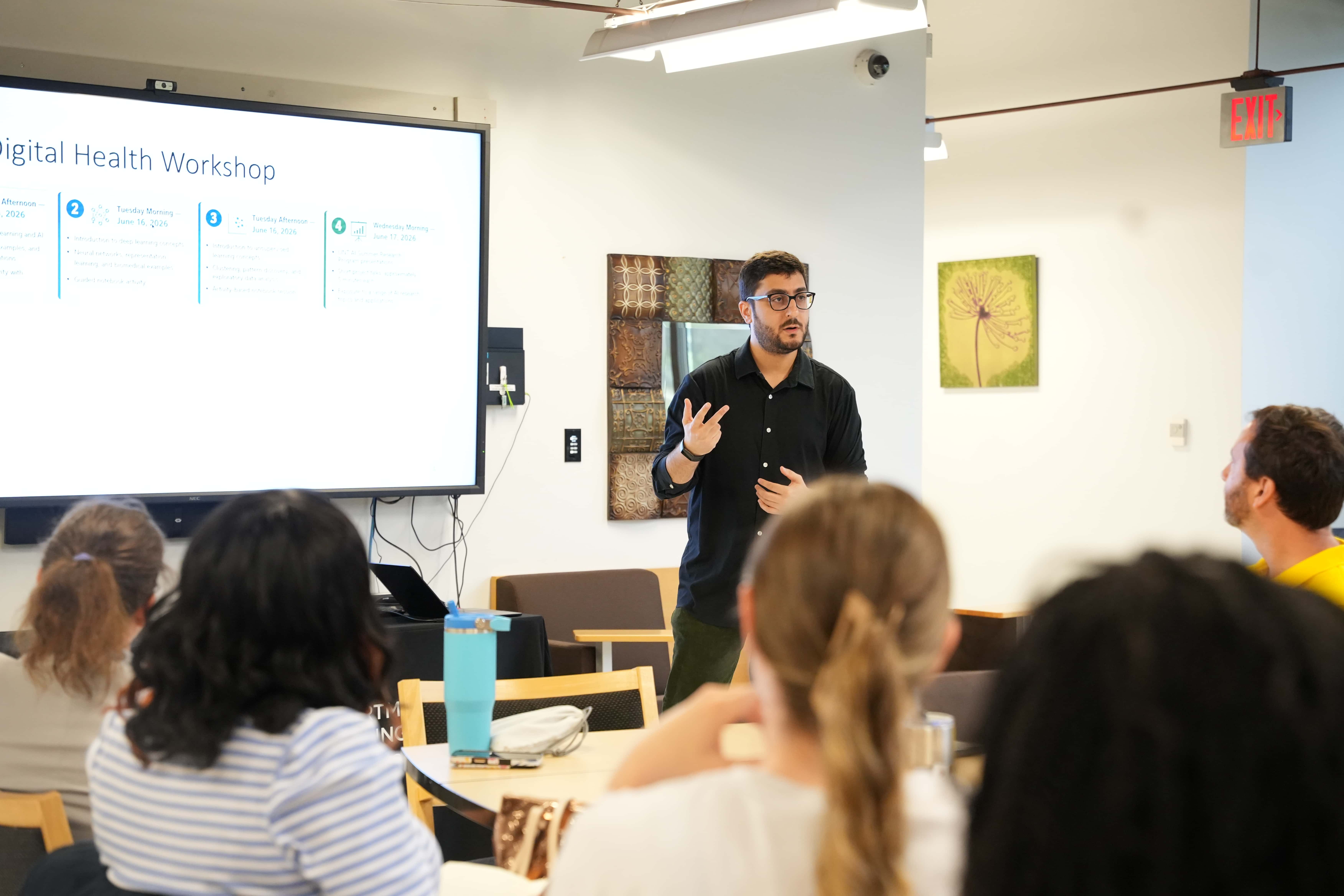
DENTON (UNT), Texas — A new program at the University of North Texas is giving STEM educators in the Dallas-Fort Worth area hands-on research experience they can take back to their classrooms.
“They get to experience how to do research in the digital health industry,” said Mahdi Pedram, director of the program and assistant professor in both computer science and engineering and biomedical engineering. “And when they go back to their school or college, they can add that to their syllabi.”
The Digital Health Research and Training Program for Science Teachers is open to high school and community college educators. It gives them access to research-related workshops and research labs at UNT.
The program is funded through a National Institutes of Health grant dedicated to education and research training programs. Each participant also earns a stipend after successfully completing the program. It’s planned to run every summer for the next five years. This year’s pilot program was able to accept 10 educators, but organizers hope to expand next summer.
“All of our participants were engaged and motivated from the very first day,” said Pedram. “It was especially rewarding to see that several participants had personal reasons that made their involvement in the program even more meaningful.”
Before the research began, the educators became the students, spending two weeks in workshop sessions. The first week covered the different ways artificial intelligence is used in healthcare research and how to responsibly gather and process healthcare data. The second week focused on hardware, teaching them how to design and use biosensors to monitor health indicators such as heart rate and physical activity levels.
“Working with both hardware and software helped me see how AI and digital health tools can be applied to real-world health concerns, prevention, monitoring and patient-centered care,” said Stanita Jackson, a member of the biology faculty at Dallas College Richland.
After going through the workshops, participants got to choose which projects they worked on, with some drawing inspiration from their own experiences. Janet McNeal, a teacher at Singley Academy in Irving ISD, shared that she had suffered a heart attack a few years ago. Pedram worked with her to create a project focused on ECG monitoring and using machine learning to create more accurate readings.
“I wanted to learn more about the sensors involved because I’ve worn them. When this program came to me, I jumped on it because I want to learn all the different sensors used for cardiovascular patients,” said McNeal. “This project hit home for me. I’m so glad I was able to expand on it.”
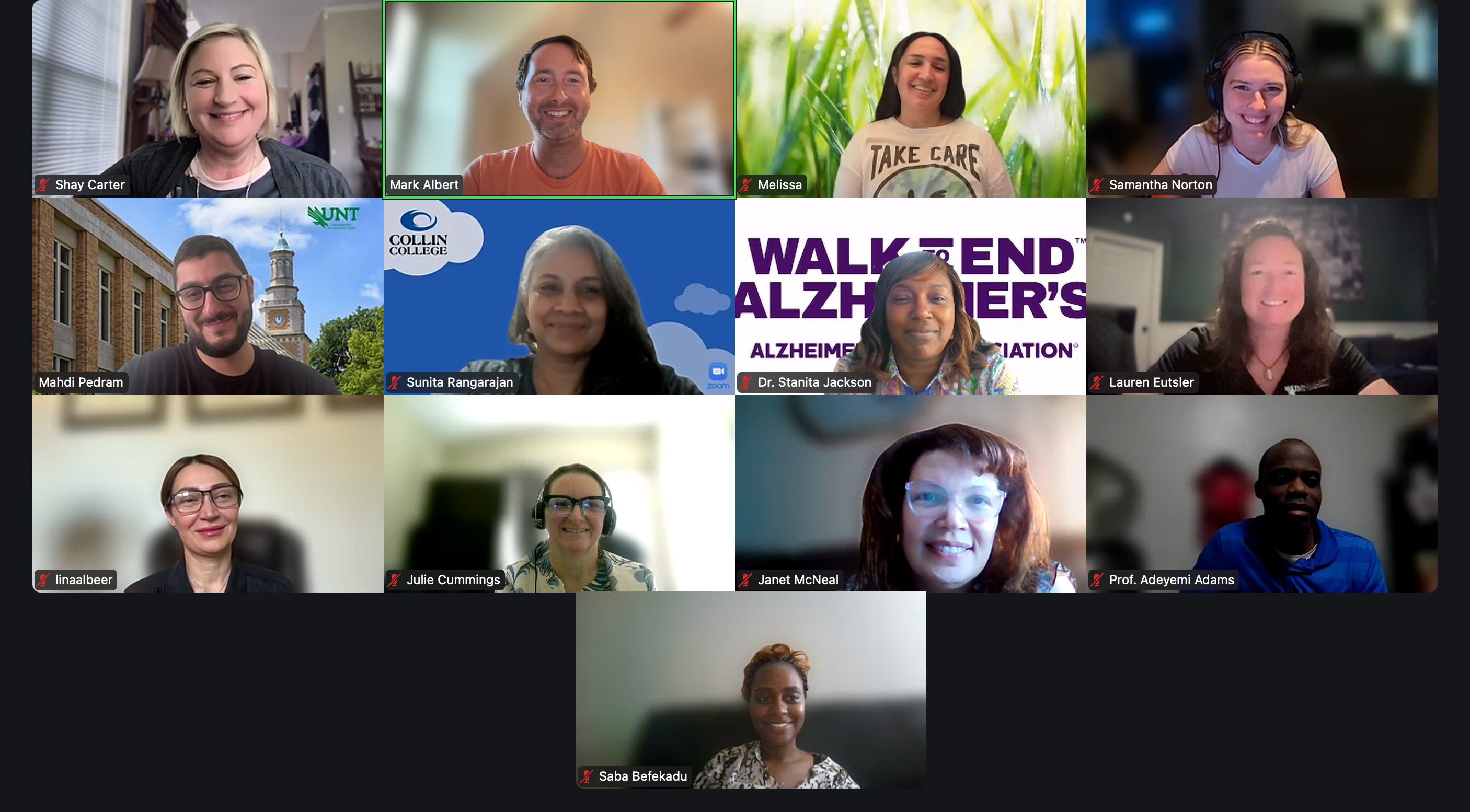
While working on their projects, the participants received guidance from their faculty mentors and had check-ins with them. They also worked alongside doctoral students in the faculty member’s lab, learning what it’s like in an active lab environment.
“Working with Dr. Mark Albert and his Biomedical AI Lab was a highlight of the experience,” said Sunita Rangarajan, a biology professor at Collin College. Her project focused on improving technology that tracks movement to better identify and measure difficulties with walking. “I’m especially excited to have contributed, even in a small way, to the development of the GaitLens app.”
The project culminated in a presentation day in August, where the educators shared the different projects they worked on as if at a research conference. They also worked with each other and their mentors to create classroom lesson plans based on their experience.
“One thing I’ll take back to my classroom is the importance of making learning feel real,” said Rangarajan. “This experience reminded me that when students can connect what they’re learning to real-world problems and see how technology and research can make a difference, learning becomes much more meaningful and engaging.”